
Responding to the Silent Battle Against Suicide—Be Informed, Educated, and Ready to Support
“There is a silent battle raging in the minds and hearts of a vast number of people, and they haven’t told a single soul. Or maybe they sent out a couple SOSs via a joke or a self-deprecating comment—a statement thrown out—to test the waters and see what the response was to ‘that’ kind of issue, the issue of harming themselves or ending it all.
They may laugh heartily and act as if things are fine to cover over it, to mask it, but inside, they are screaming for someone to hear them. To see them. Screaming for the emotional pain they feel to abate. Not knowing what to do or how to fix it. Feeling so utterly alone.
If you, yourself, feel this way, 988 is the Suicide and Crisis Lifeline in the U.S. Reach out and get help for yourself. Don’t suffer in silence.”
This is an excerpt from my book, “The Forgotten Caregiver of Mental Crisis: Navigating Suicidality After Trauma with Increased Hope, Resilience, & Practical Strategies” which comes out of my personal story and is written from a research and faith-focused perspective.
(Suicidality encompasses anything associated with suicide including suicidal thoughts, intention, plan, or attempts (Reference: APA)).
This battle is—in fact—a silent battle when our loved one or we, ourselves, struggle with any aspect of suicidality. It is not a rare occurrence. Many people are struggling with emotional pain or intense feelings of hopelessness they don’t know what to do with. And, unfortunately, many haven’t told anyone, either.
As I cared for my husband through our intense battle for his life against suicide, I slowly grew as a caregiver and advocate. I read, researched, and educated myself so I could come alongside him in the ways he needed most—ways which were informed on suicidal caregiving.
To not be informed on suicidal caregiving could cause great harm, even if a person has “good intentions”. This is true for both mental health conditions and medical conditions. To be informed on the best way to caregiver for a specific condition and your loved one’s symptoms is incredibly necessary. To be informed requires a willingness to learn, research, and educate oneself. I was a medical provider but had to learn how to be a caregiver for my loved one’s mental health struggles. I sought out what I didn’t know. I have continued to learn and grow even now that he is doing better—because the fight is not over.
Other people are in the trenches and need help and a friend to come alongside them in their battle, so they can find a way forward too.
For those uncertain of the way forward, one of the best ways to grow and learn is to read from professional and reputable sources. AFSP and NAMI both have invaluable information about suicidal behaviors, symptoms, and warning signs of increased suicide risk on their websites. Their links are at the end of this article. Knowing what to look for can save a life.
Another facet to being informed, educated, and ready to support is knowing what steps to take in an emergency. Memorize the number 988—the Suicide and Crisis Lifeline in the U.S.—and don’t be afraid to call 988 or go straight to the nearest emergency room in the case of a mental health emergency or if there are increased symptoms and uncertainty about it being an emergency. Don’t wait to get help. A behavioral health professional will assess the mental health symptoms at the hospital and make a decision regarding your loved one and the potential need for hospitalization.
Lastly, it’s important to be willing to talk about mental health struggles in regular conversations. It’s okay to ask someone if they are doing okay. If you are concerned about suicide, always ask if a person is thinking about harming themselves or of suicide or if they ever have before. It will be awkward and feel weird to do so, but it is incredibly important. Even just by asking that question, it brings the topic up for discussion in the future and helps that person know they are not alone. They have someone who cares about them.
Having increased awareness of those around you, being knowledgeable about suicidal symptoms and risk, and knowing what to do in an emergency (driving immediately to the emergency room and/or calling 988) can save a life. I urge you to be brave, equipped to support others, and in so doing, help prevent suicide.
Resources:
https://dictionary.apa.org/suicidality
https://afsp.org/risk-factors-protective-factors-and-warning-signs/
https://www.nami.org/NAMI/media/NAMI-Media/Images/FactSheets/Suicide-FS.pdf
Bio:
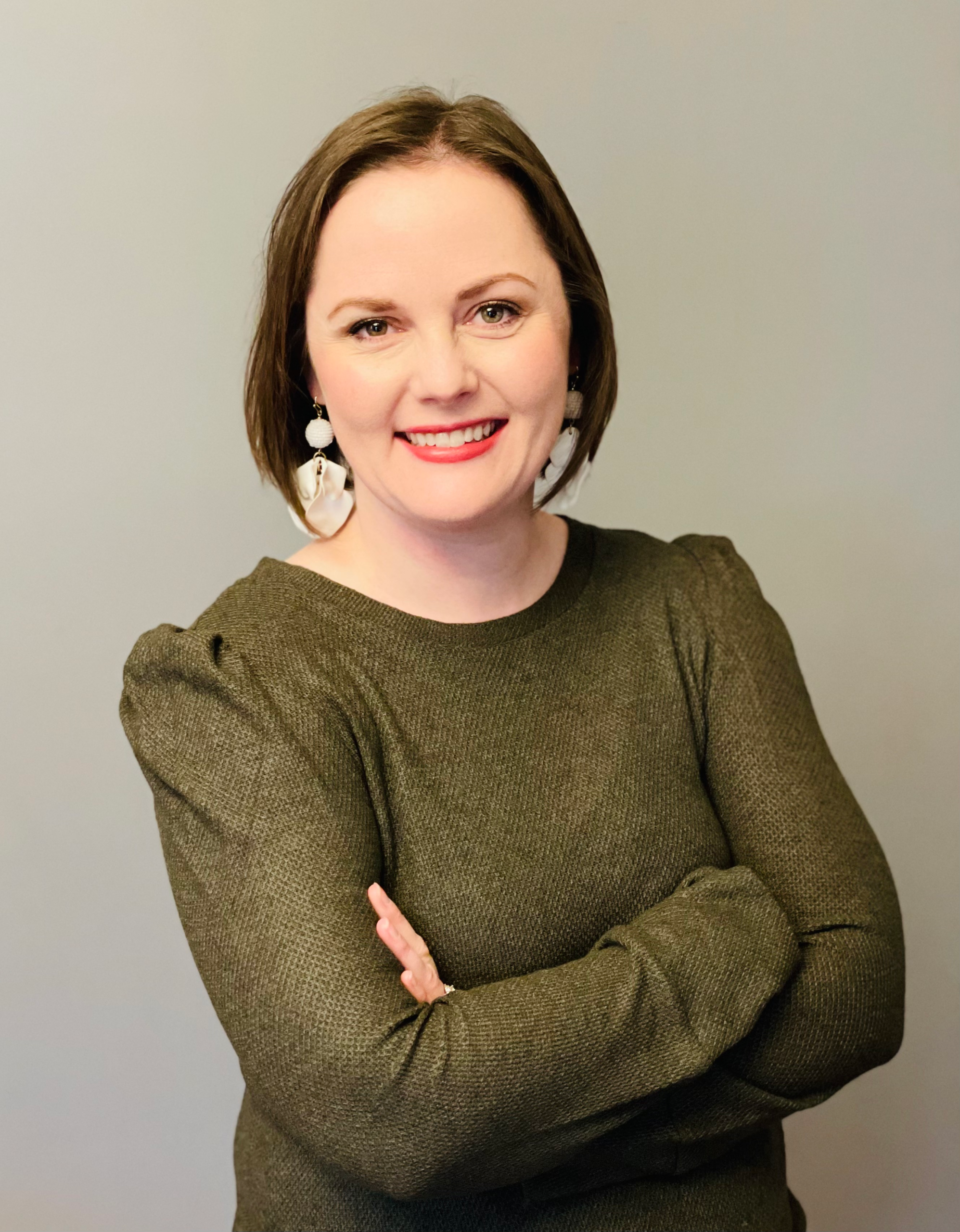
Amber J. Parker, PA-C, is an author, speaker, AACC webinar instructor, and Physician Assistant who is passionate about caregiver advocacy, suicide prevention, and trauma/PTSD healing. Her book “The Forgotten Caregiver of Mental Crisis: Navigating Suicidality After Trauma with Increased Hope, Resilience, & Practical Strategies” blends medical insight, neuroscience, and faith into a compassionate, supportive guide for the caregiver of PTSD and Suicidality. Through her business (Choose Joy In the Midst, LLC), blog (Choosejoyinthemidst.com), and shop (Beautifultruthdesign.com), Amber empowers others in their battles. Her signature saying is: “You are not alone in your battle.” Connect at: Amberjparker.com
Links:
Website: https://amberjparker.com/
Free Chapter of New Book: https://choosejoyinthemidst.myflodesk.com/freechapter
Instagram: https://www.instagram.com/amberjparker_
Facebook: https://www.facebook.com/choosejoyinthemidst
YouTube: https://youtube.com/@amberjparker
Blog: https://choosejoyinthemidst.com/
Shop: https://beautifultruthdesign.com/
“You Matter” photo credit: Jon Tyson