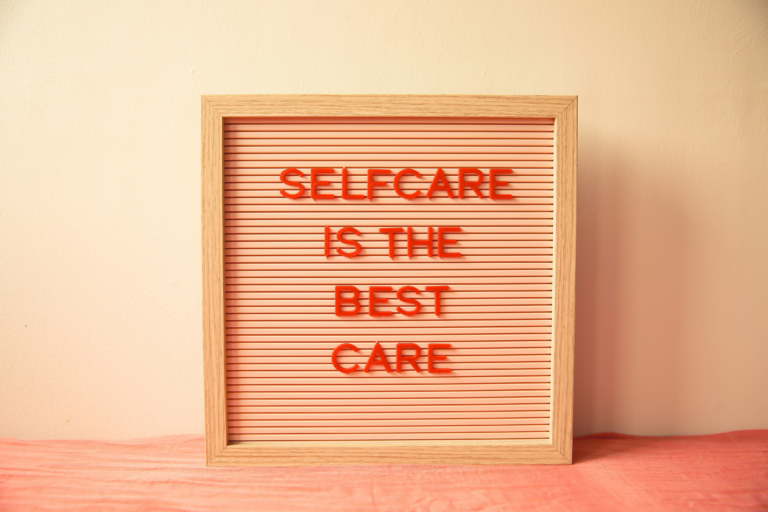
Photo credit: Ava Sol
With all the hustle of the Christmas season, it’s easy to get off track without even noticing it—until January arrives oh so quickly. Suddenly, the effects show up in our mood, energy, motivation, and emotional resilience. January is only a few weeks away, and how we live in December often lays the foundation for how we feel in the months that follow.
What if this year could be different? What if, instead of reacting to January, you quietly prepared for it?
Seasonal Affective Disorder (SAD) is a form of depression that follows a seasonal pattern, most often emerging during the darker winter months. Research suggests it affects about 5 percent of the U.S. population, with many more experiencing milder seasonal mood changes. Women and younger adults are more frequently affected, and many people experience symptoms that never receive a formal diagnosis. Reduced daylight, disrupted sleep patterns, and changes in brain chemistry all play a role.
My own experience was never officially “reported,” but I want to share it in hopes that it may help someone else feel less alone.
For more than one year in a row, I noticed a shift in myself each January that I couldn’t quite explain. I felt anxious without a clear reason, my mood more solemn than usual. One year, the anxiety escalated to the point that I had to step out of a child’s basketball game because I couldn’t catch my breath or speak. I remember whispering a prayer: Lord, what is happening to me? Thankfully, my breathing and speech returned to normal fairly quickly, but the experience got my attention.
Like many women, I tried to manage it quietly—doing my best to care for myself while searching for answers. I began paying closer attention to my nutrition, increasing leafy greens, and being more mindful of my habits. Around that same time, I read One Thousand Gifts by Ann Voskamp. Her practice of identifying daily gifts of gratitude resonated deeply with me. She referenced research showing that regular gratitude practices are associated with lower stress and depressive symptoms, greater progress toward personal goals, increased determination and energy, and even more happiness. Who doesn’t want more happiness? I began writing down three gifts a day—and something began to change.
Scripture reminds us that our bodies matter to God. “Do you not know that your body is a temple of the Holy Spirit within you…? Therefore honor God with your body” (1 Corinthians 6:19–20). Caring for our physical and emotional health is not separate from our spiritual life—it is part of faithful stewardship.
So how can we honor God with our bodies right now, in December, to improve our odds of navigating winter well—whether we struggle with SAD or simply feel weighed down by the season?
Here are a few gentle, intentional practices that can make a meaningful difference:
- Nourish your body well. Aim to include fiber-rich vegetables, especially greens, at each meal to support energy and mood. Try veggies with eggs for your breakfast.
- Stay near to the Lord. Even a brief daily quiet time—Scripture, prayer, or silence—anchors us in truth. Listening to the Pause app (free) is another resource.
- Practice daily gratitude. Write three (or more) gifts each day, training your mind to notice God’s presence. #1 Sunshine today #2 hot soup #3 lunch with my husband
- Greatly limit or eliminate alcohol. It can intensify anxiety and low mood, especially in winter months. Choose a mocktail or non-alcohol beer instead.
- Limit sugar. While treats abound this season, excess sugar can worsen energy crashes and emotional swings. Have them at the end of a meal in a small amount.
That list may sound unreasonable during a month filled with celebration and sweets. Grace matters here. For me, it simply isn’t worth the cost. I’ve learned I can enjoy a healthy sweet at the end of a nourishing meal and feel satisfied—but it took time to retrain my taste buds. Give yourself grace as you learn what serves you best.
If I had to choose just two practices, they would be staying connected to the Lord through daily quiet time and writing gratitudes each day. I am now finishing fourteen years of writing gratitudes, and in that time, I have not returned to the overwhelming winter symptoms I once experienced.
I hold tightly to this truth: my January is built on the behaviors of December. I don’t want to spend the new year digging my way out of discouragement when I can gently prepare my heart and body now. Your January self may thank you for the small, faithful choices you make today.
Bio:
Bonnie McDonald is passionate about prayer, discipleship, and helping others recognize God’s presence in their everyday lives. She serves in discipleship leadership at Mt. Pleasant Methodist Church, where she shares prayer-filled testimonies and encourages others to share their own. With a Master’s degree in Discipleship Ministry and a Bachelor’s degree in Education, Bonnie brings both theological grounding and practical wisdom to her work as a writer and realtor.
She lives in North Carolina with her husband, Flint. They have two married adult children, two grandchildren, and another on the way. Bonnie is the author of Firm Foundation: Resilience After Trauma, releasing in 2026—a reflective, interactive book that weaves biblical truth, short stories, and practical encouragement for those entering, enduring, or emerging from life’s storms. Connect with her at
www.bonniesmcdonald.com
https://www.facebook.com/bsmcdonald
https://www.instagram.com/bonnieshuemcdonald