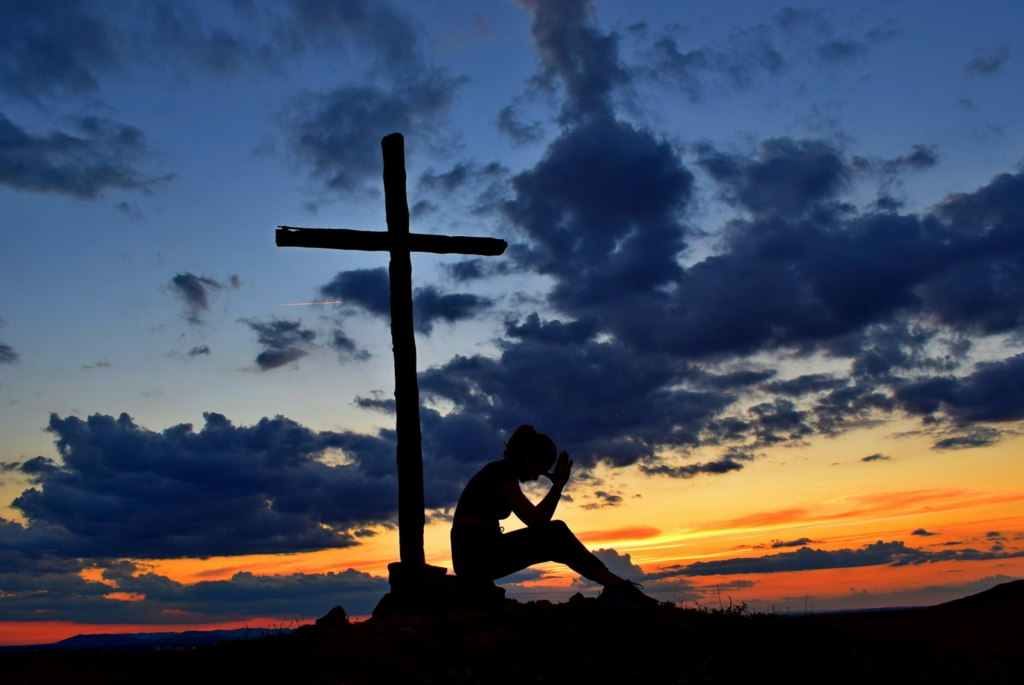
During PTSD Awareness Month, we often talk about symptoms, treatments, and recovery. But there is something quieter that lives beneath all of that, something harder to explain.
What happens when trauma doesn’t stay in the past and instead manifests itself in the body? Have you ever noticed your body reacting before your mind has had time to comprehend a situation?
A racing heart, tightness in your chest, or sudden exhaustion. A wave of fear that doesn’t match the moment in front of you. For many people living with Post-Traumatic Stress Disorder (PTSD), trauma is not only remembered in thoughts—the body remembers it.
I remember sitting in the office one day after returning to work following my traumatic accident, which a colleague caused. When she walked into the room, pain surged through my body almost instantly. Nothing dangerous was happening at that moment. And yet my nervous system reacted as if the danger were still present.
Now, five years later, I understand that moment differently. At the time, I didn’t fully understand what was happening to me. I thought I should be able to control it. Push through it. Pray harder through it. But trauma does not always respond to logic or the passage of time. Sometimes the body remembers what the mind is still trying to make sense of.
PTSD can affect the nervous system in ways that leave the body constantly scanning for danger, even long after the traumatic event is over. Sometimes the body reacts before the mind can catch up.
And if you have experienced this, I want you to hear something clearly today:
Your body is not betraying you.
Your body is responding to pain it has not yet fully processed.
For a long time, I thought functioning meant healing. If I could keep working, keep smiling, keep showing up, then surely, I must be coping. But showing up was not the same as being okay.
There were days I sat at my desk while silently falling apart inside. Days when exhaustion wrapped around me so heavily that I could barely think straight. Days when I would endlessly apologize for struggling, as if my pain was an inconvenience to others.
Trauma has a way of making people feel ashamed for being human. And sometimes, even in faith communities, people silently carry the fear that struggling emotionally means they are failing spiritually. But Scripture never tells us to pretend we are not wounded. Time and again, we see Jesus moving toward people who were hurting with compassion, not condemnation.
He did not shame the exhausted.
He did not rush the grieving.
He did not reject the fearful.
He met people gently.
I think about Elijah in 1 Kings 19 after he reached complete emotional and physical exhaustion. God did not immediately respond with correction or instruction. First came rest. Water. Food. Quiet. Care. Sometimes we expect ourselves to heal faster rather than allowing ourselves to be human.
PTSD can make the world feel unsafe. It can affect sleep, concentration, memory, emotions, and even the ability to feel fully present. It can leave people feeling disconnected from themselves, from others, and even from God. But struggling does not mean God has abandoned you. And trauma does not make you weak.
One of the hardest parts of PTSD is that so much of it is invisible. People may see you functioning externally, while privately you are carrying overwhelming fear, grief, hypervigilance, or are just exhausted internally.
Many trauma survivors become experts at “pushing through.” I know I did. But eventually my body stopped cooperating with my determination to ignore its signals. And slowly, I began to understand something important:
My body was not working against me. It was trying to protect me.
That realization changed the way I approached healing. Instead of treating my symptoms like failures, I began learning to respond with compassion. Instead of asking, “What’s wrong with me?” I slowly began asking, “What has my body been trying to carry?”
I also began to realize how deeply grief and trauma can overlap.
Trauma often includes loss:
loss of safety,
loss of identity,
loss of certainty,
loss of the life you thought you would have.
And sometimes we try so hard to survive the trauma that we never fully acknowledge the grief behind it.
But Jesus meets us there, too.
Psalm 34:18 says:
“The Lord is close to the brokenhearted and saves those who are crushed in spirit.”
Not close to the people who have fully healed.
Not close to the people who never struggle.
Close to the brokenhearted.
Close to the overwhelmed.
Close to those whose bodies still remember pain.
Healing from PTSD is rarely linear. It does not usually happen all at once. And healing does not always mean the absence of triggers or difficult days.
Sometimes healing begins more quietly than we expect.
Sometimes it begins with honesty.
Sometimes with rest.
Sometimes, asking for help.
Sometimes, with finally admitting: “I am not okay.”
And sometimes healing begins by allowing Christ to meet us with gentleness rather than demanding perfection of ourselves.
If you are carrying trauma today, I want to encourage you with this:
You do not have to earn God’s compassion – it is already yours in Christ
You do not have to hide your struggles from Him.
And you are not failing because your healing journey is taking time.
Jesus is not intimidated by your nervous system.
He is not disappointed by your exhaustion.
He is not absent from your healing.
Even when your body remembers pain, Christ remains present. And even when healing feels slow, hope is still possible.
A gentle invitation for you today:
Pause for a moment. Take a slow breath. Place your hand over your heart and remind yourself:
“I am safe in this moment.
God is with me here
I do not have to carry this alone.”
Sometimes healing begins not by forcing ourselves to be stronger, but by allowing ourselves to be held by grace amidst our weakness.
And even here – in fact, especially here – Christ meets us with love.
This reflection is inspired by themes explored in Katy Parker’s upcoming book, What If This Is Grief?, a book that explores grief in all its forms—from the death of a loved one to invisible and unrecognized losses as well as chronic pain, trauma, faith, and healing.
Author Bio
Katy Parker is a grief educator, author, and mental health advocate exploring the intersection of grief, trauma, faith, and healing. Through her writing, she offers compassionate reflections on invisible loss, emotional well-being, and the ways the body and mind carry grief. She is the author of What If This Is Grief? (upcoming).
Social Links
Journeyofsmiley Blog: www.journeyofsmiley.com
Instagram: https://www.instagram.com/journeyofsmiley
Facebook: https://www.facebook.com/journeyofsmiley


Katy
Thank you so much for publishing and sharing my guest post. As June is PTSD Awareness Month, I’m especially grateful for the opportunity to help raise awareness and encourage more open conversations about trauma, recovery, and mental health.
Sharing my story is deeply personal, and I appreciate the platform you’ve created to reach others who may be struggling or supporting someone living with PTSD. Every shared story helps reduce stigma and reminds people that they are not alone.
Thank you for your support and for helping amplify this important message.