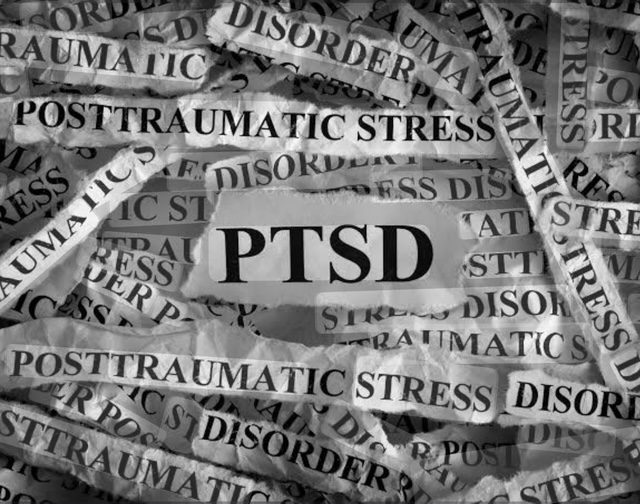
It’s been nearly 19 years since the car accident that caused my PTSD. I can still remember the sounds, the sensations, and the bone-deep fear that I experienced that day. The moment another driver got distracted behind the wheel and slammed into my car at 45 miles per hour, I knew my entire life was about to be upended. The worst part was that I saw her coming, and couldn’t do anything about it.
The body carries memories of past trauma. In my case, most of my injuries healed within a few months, but I live with chronic back pain that I will have for the rest of my life. The mental trauma, however, has taken years to heal. One thing they don’t tell you about PTSD is that it can last for months or years after the event, and that triggers will come on you unexpectedly well after you think you’ve recovered. In the beginning, PTSD came with nightmares, panic attacks (especially while driving), a hair-trigger temper, and the overwhelming feeling that the next wreck was just around the corner. It took over ten years before I could drive past an accident on the freeway without the sound of broken glass and the smell of the airbag flooding my senses. Even now, the occasional nightmare still hits.
PTSD meant living on edge all the time – constantly stuck in limbo between an event I couldn’t get past and the assumed inevitability of another. I became afraid of new experiences in case they were a potential source of new trauma. My brain was rewired to overreact.
Much of this experience was complicated by my relationship with the Lord, especially at the time of the accident. I was a week away from starting seminary, following my calling to serve the Lord. The accident felt like a capricious punishment from a God who was indifferent to the fact that I was on His path. After all, I was doing all the right things – why did this happen to me? Why do I have to live with the consequences of someone else’s mistake? Eventually in my striving to understand, the Lord reminded me that He never promised His people would be immune to trouble.
“He causes His sun to rise on the evil and the good, and sends rain on the righteous and the unrighteous.” Matthew 5:45
Through almost two decades of living with PTSD, I’ve learned that in all things the test is not what happens to you, but how you respond and grow. I have learned resiliency, coping skills, and how to have compassion for others living with mental illness. I’ve been able to use that compassion to build a career advocating and communicating the needs of others on a similar journey of recovery. I’ve been able to tell my story in faith communities and corporate settings, normalizing the discussion of mental health in spaces where it is often still stigmatized.
I’ve also learned that the Lord is still present. I’ve faced many other traumas since my accident, and in all things, He has shown Himself faithful. He is a source of peace when my body overreacts and my mind dwells in worst-case scenarios. I’ve mostly healed from PTSD, but it takes daily work, focus, and dependence on God’s grace and strength. Recovery is possible, but it doesn’t mean we won’t still carry scars. But those scars are evidence of strength, resilience, recovery, and faith.
Amy Brundle is the Director of Marketing and Communications for NAMI North Carolina, a nonprofit organization dedicated to mental health awareness and advocacy. She is also an ordained Baptist minister with a passion for leading God’s people in worship and creating safe spaces in churches for those with mental illness. She lives in Raleigh, NC with her husband and cat.
Connect with Amy:
Instagram: @albrundle81
Linkedin: https://www.linkedin.com/in/amybrundle/
Visit NAMI NC website: www.naminc.org